The cycle of life and death is an eternal and universal truth inherent to all living creatures. As we become increasingly aware of our environmental responsibilities, more and more funeral homes in Lafayette, CO, are turning to sustainable methods like human composting, also known as Terramation or Natural Organic Reduction. This method not only offers an eco-friendly alternative to traditional burial and cremation but also embodies the essence of a circular life cycle.
Understanding Human Composting
Human composting, or Terramation, is a process that transforms human remains into nutrient-rich soil in a controlled environment. This procedure involves placing the body in a vessel with organic materials like wood chips and straw, which aid in the decomposition process. Over several weeks, microbial activity breaks down the body, resulting in soil that can nourish plants and contribute to new life.
Human Composting and the Circular Life Cycle
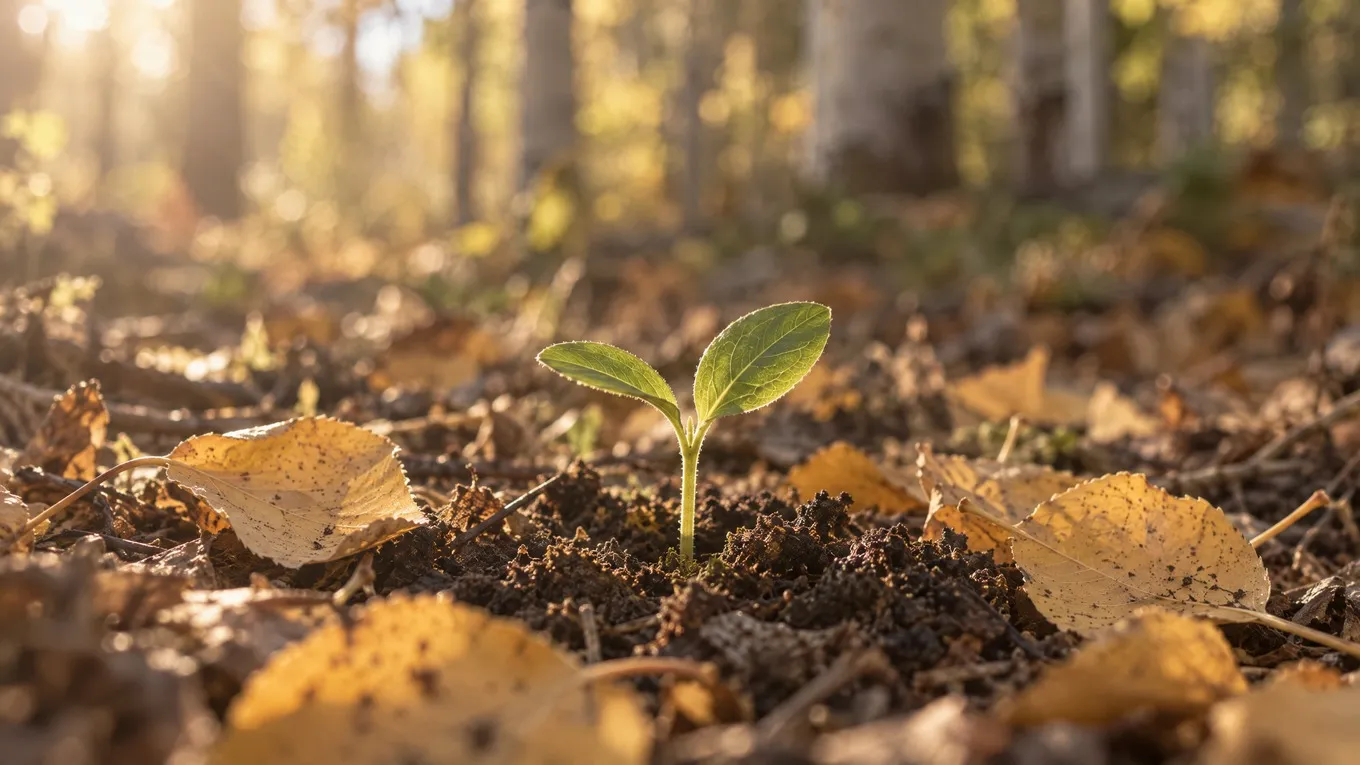
The process of human composting is a beautiful embodiment of the circle of life. It allows an individual to give back to the earth, contributing to the growth of new life in the form of plants and trees. This approach fosters a deep connection with the natural world, embracing the concept that life is a cycle of birth, death, and rebirth. In this sense, human composting does more than just provide an environmentally friendly end-of-life option; it promotes a holistic understanding of our place in the natural world.
The Environmental Impact
Human composting stands out due to its minimal environmental impact. Traditional burial methods can contribute to deforestation and pollution, while conventional cremation results in considerable energy consumption and carbon emissions. Conversely, human composting uses less energy, produces no emissions, and results in a beneficial soil amendment that can be used to nurture new life, aligning perfectly with the principles of a circular economy.
Legal Aspects and Public Perception
As with any new concept, human composting has had to overcome legal hurdles and societal perceptions. However, several states have begun to legalize this process, recognizing its environmental benefits and the growing demand for sustainable end-of-life options. As awareness and understanding spread, the public perception of human composting is gradually shifting from apprehension to acceptance.
Role of Funeral Homes
Funeral homes play a crucial role in facilitating this shift towards human composting. They provide necessary information, support, and guidance to families during a challenging time. By offering human composting, these establishments align themselves with the growing call for sustainable practices, contributing to a significant shift in the funeral industry.
Embracing Human Composting
In conclusion, the rise of human composting is an encouraging step towards a future where we honor our departed loved ones in a manner that respects the environment and embraces the circular life cycle. Funeral homes in Lafayette, CO, and other regions are moving towards this sustainable future, promoting a practice that benefits the planet and brings us closer to nature.
It’s time to consider these eco-friendly alternatives for your end-of-life decisions, embracing a process that not only respects the environment but also symbolizes the beautiful cycle of life and death. To learn more about human composting and how it promotes a circular life cycle, we invite you to explore our services at The Natural Funeral. Embrace the future; honor life in a way that contributes to the continuity of life itself.